
past event
Exhibition opening: These are Addressed to You
Friday 22 May 2026
5:30pm
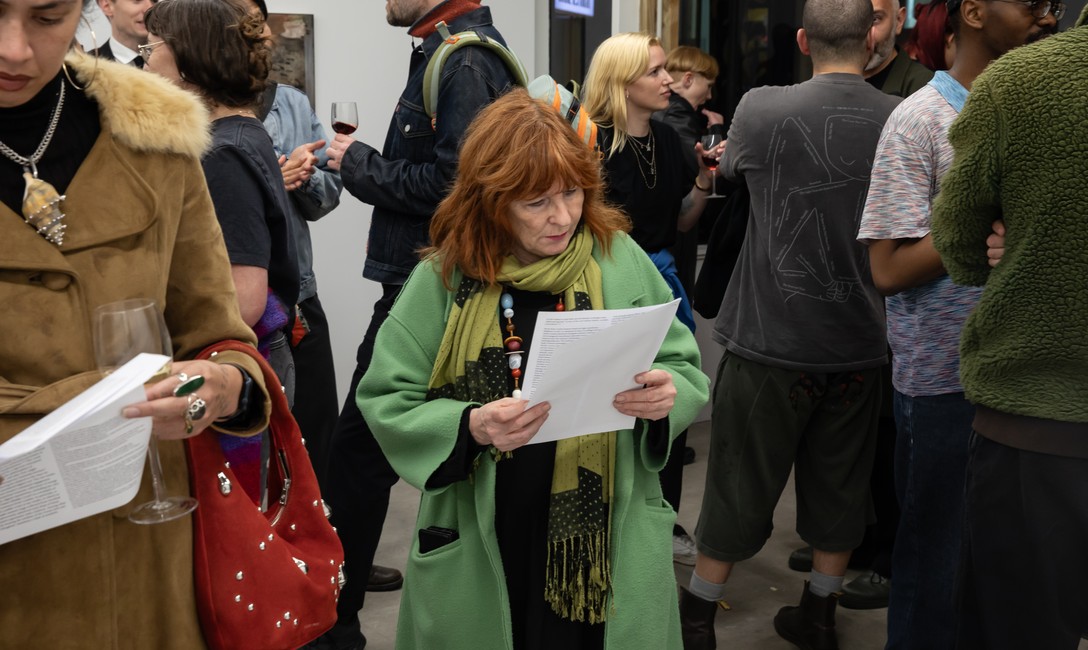
These are Addressed to You exhibition opening. Photo by Renati Waaka.
Enjoy is pleased to present These are Addressed to You, previewing Friday 22 May, from 5:30pm.
These are Addressed to You brings together the work of Bas Jan Ader, Christian Dimick, Yana Nafysa Dombrowsky-M’Baye, Abigail Aroha Jensen, Sharon Kivland and Sarah Rose—artists whose practices span painting, sculpture, sound, performance, writing and moving image. This exhibition borrows its title from a 2025 book in letters by participating artist and writer Sharon Kivland. It explores what it means to address and to be addressed, to correspond and to be in correspondence with. As the definition of a letter encompasses both the alphabetic and the epistolic, these are practices that are attentive to the potentials of language and its transmission. Within this understanding of correspondence, address is slippery, unstable—a crack that appears between sender and receiver.
Works by Bas Jan Ader and Sharon Kivland begin in the form of a postcard dispatched across oceans. Ader’s I’m too sad to tell uou (1970–71) is a performance and video work in which the Dutch conceptual artist cries on camera, seemingly wracked by a sadness too powerful to put into words. Kivland’s Mes horizons (2013–ongoing) is a series of found and collected vintage seascape postcards, which have been modified with layers of Indian ink that black out the skies—a gesture that displaces their function as souvenir, yet intimates a more fragile relationship with memory. A new sound installation by Sarah Rose continues her interest in the body of letters exchanged between American conservationist Rachel Carson and her friend and lover Dorothy Freeman, recasting absence as something heard as well as felt. Yana Dombrowsky-M’Baye’s work draws on a speculative fiction in which a shifting protagonist addresses the resonance of colonial frictions in the present. Both Christian Dimick and Abigail Aroha Jensen, in different ways, engage with expanded forms of whakapapa as sites of transformation and catharsis. What emerges—through repetition, fiction and accumulation—might be considered ways of navigating distance, both proximate and far.
A letter is a form that unfolds; it travels, transforms and resists fixed definition. Across the exhibition, these artworks similarly elude fixity, instead embracing ambiguity and ambivalence as sites of critical and imaginative possibility. And meaning slips, as longing does, between senders.
Curated by Jess Clifford.
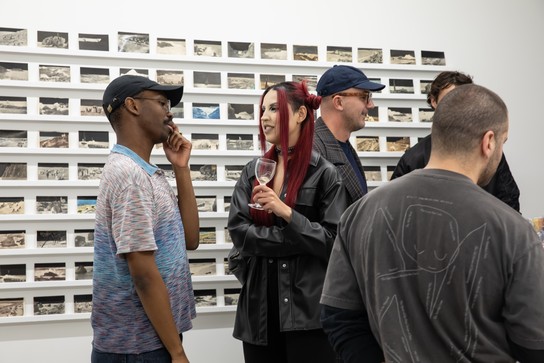
These are Addressed to You exhibition opening. Photo by Renati Waaka.
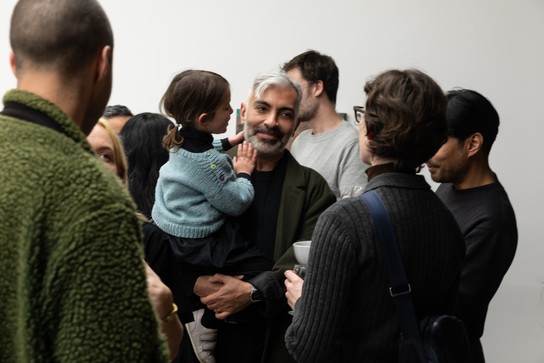
These are Addressed to You exhibition opening. Photo by Renati Waaka.
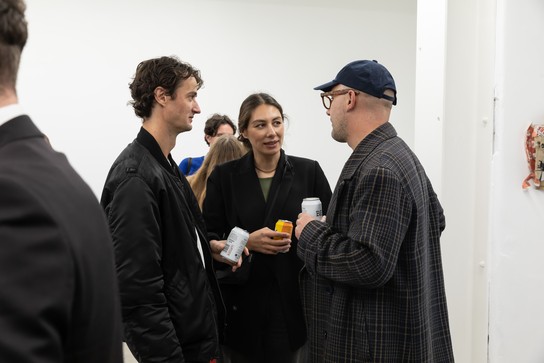
These are Addressed to You exhibition opening. Photo by Renati Waaka.
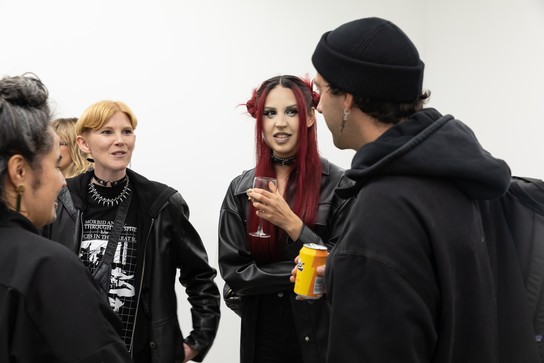
These are Addressed to You exhibition opening. Photo by Renati Waaka.
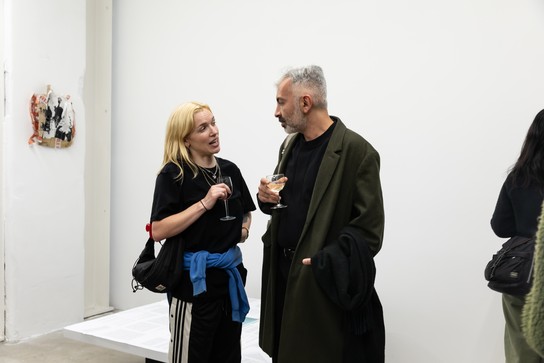
These are Addressed to You exhibition opening. Photo by Renati Waaka.
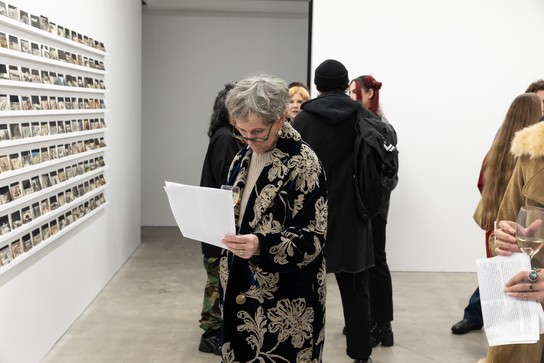
These are Addressed to You exhibition opening. Photo by Renati Waaka.
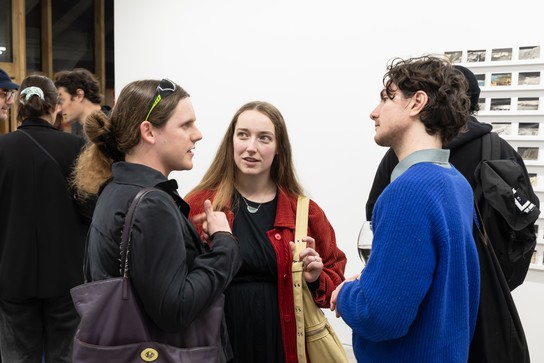
These are Addressed to You exhibition opening. Photo by Renati Waaka.
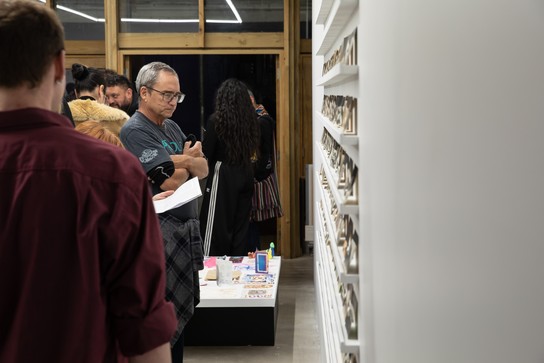
These are Addressed to You exhibition opening. Photo by Renati Waaka.
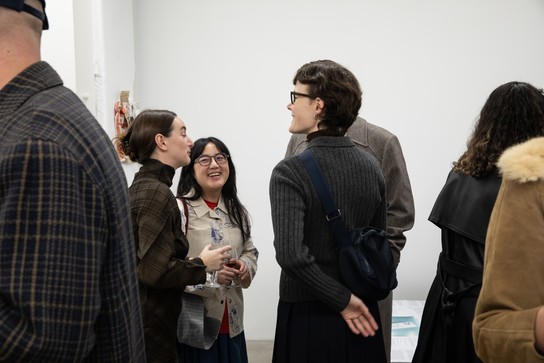
These are Addressed to You exhibition opening. Photo by Renati Waaka.
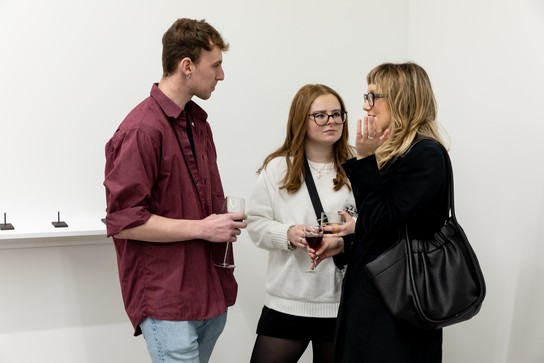
These are Addressed to You exhibition opening. Photo by Renati Waaka.
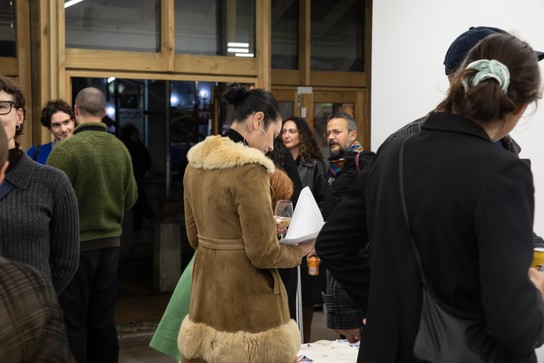
These are Addressed to You exhibition opening. Photo by Renati Waaka.
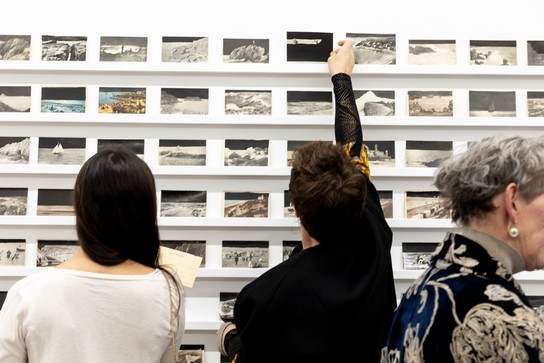
These are Addressed to You exhibition opening. Photo by Renati Waaka.
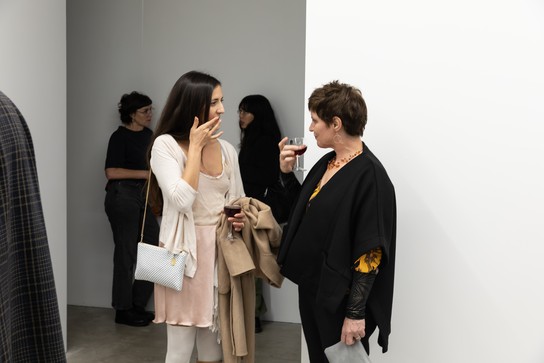
These are Addressed to You exhibition opening. Photo by Renati Waaka.
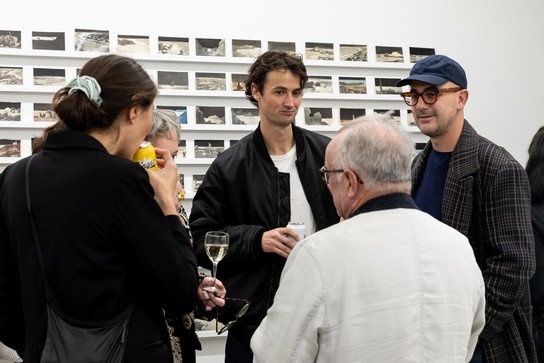
These are Addressed to You exhibition opening. Photo by Renati Waaka.
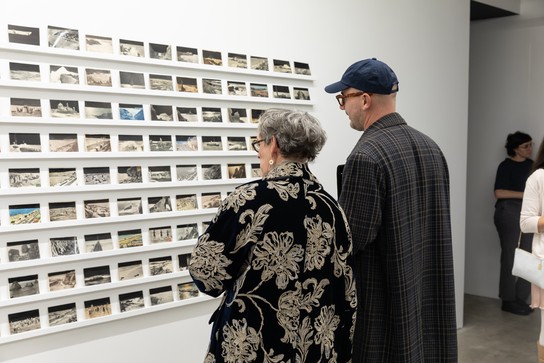
These are Addressed to You exhibition opening. Photo by Renati Waaka.
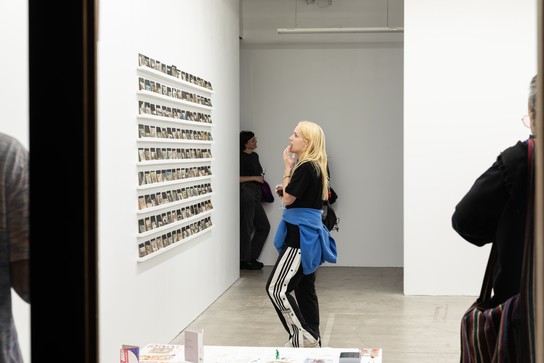
These are Addressed to You exhibition opening. Photo by Renati Waaka.
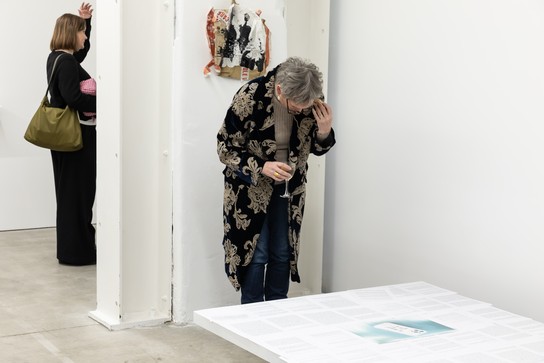
These are Addressed to You exhibition opening. Photo by Renati Waaka.
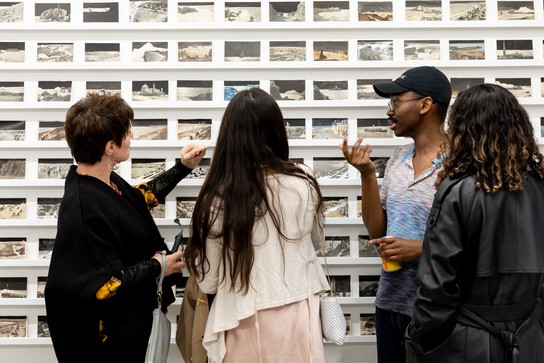
These are Addressed to You exhibition opening. Photo by Renati Waaka.
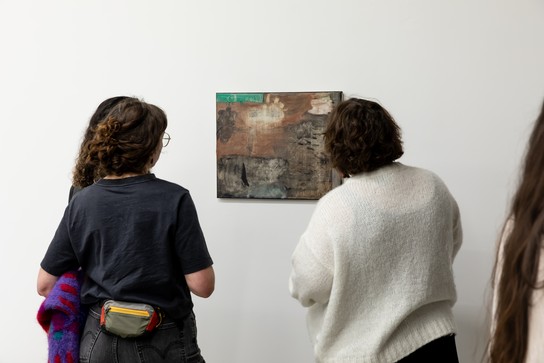
These are Addressed to You exhibition opening. Photo by Renati Waaka.
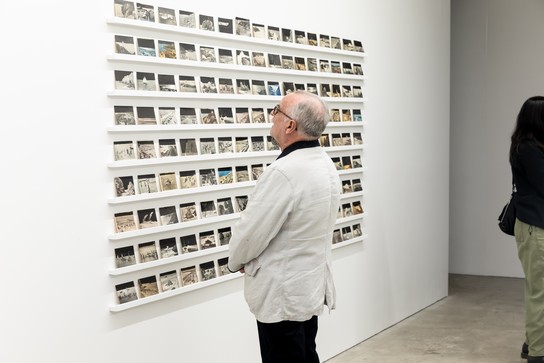
These are Addressed to You exhibition opening. Photo by Renati Waaka.
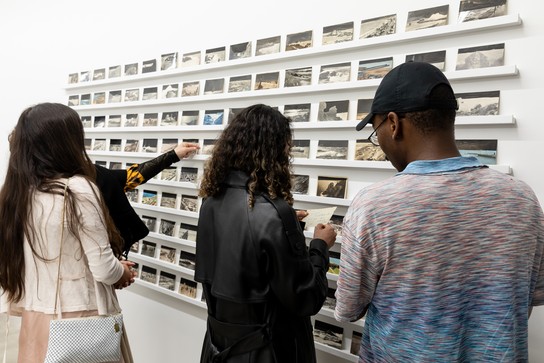
These are Addressed to You exhibition opening. Photo by Renati Waaka.
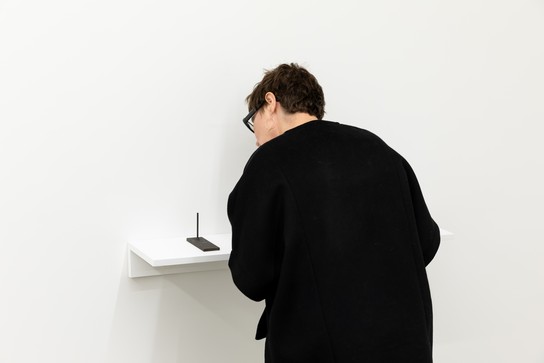
These are Addressed to You exhibition opening. Photo by Renati Waaka.
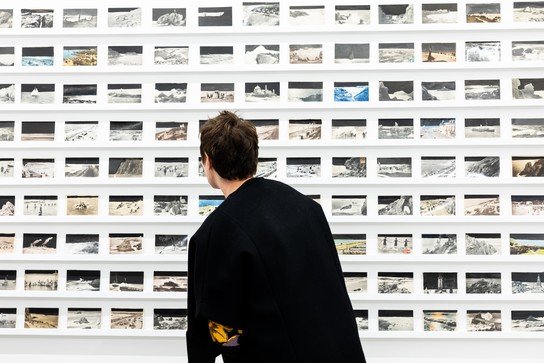
These are Addressed to You exhibition opening. Photo by Renati Waaka.
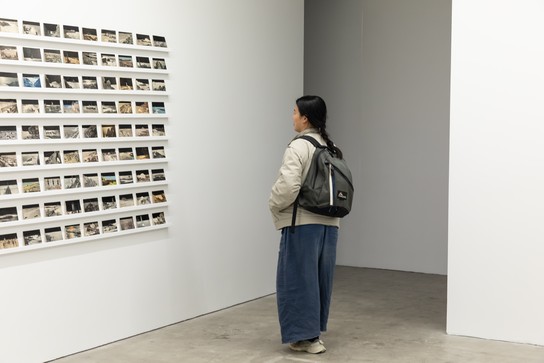
These are Addressed to You exhibition opening. Photo by Renati Waaka.
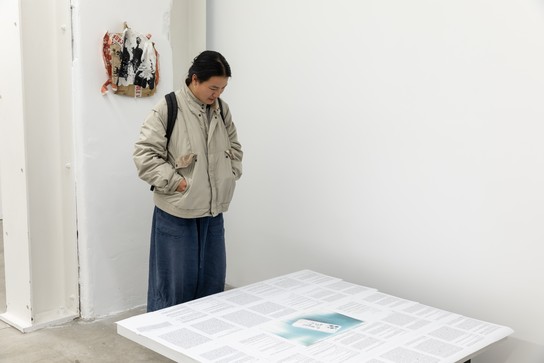
These are Addressed to You exhibition opening. Photo by Renati Waaka.
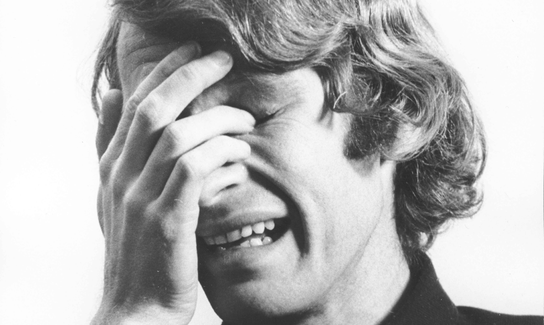
Bas Jan Ader, I'm too sad to tell you, 1970–71. 16mm film transferred to digital video, silent, 3:22 mins. Image courtesy of La Colección Jumex, México.