
Under the Pasture
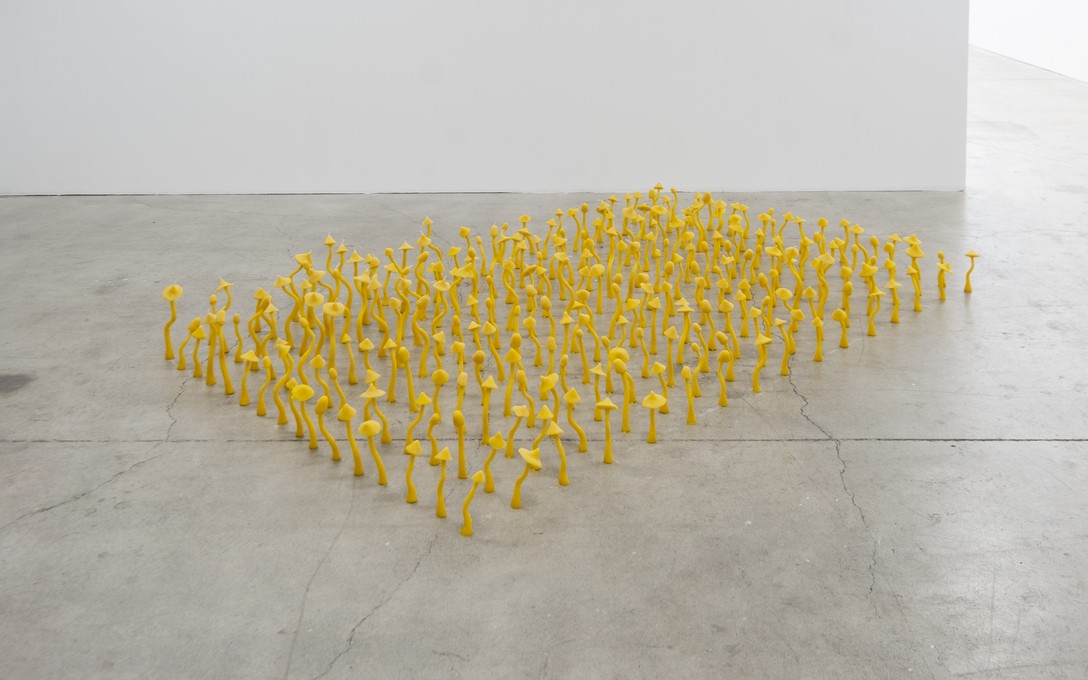
George Turner, Out of the Scene, into the Fever, 2025. Installation view. Photo by Samson Dell.
archived
25 Oct
–
20 Dec
2025
George Turner
In Under the Pasture, George Turner presents new work centred on old concerns. Known for their large scale projections featuring experimental digital technologies, Turner’s work is rooted in Pākehā identity and the intersections of nature, technology, and belonging.
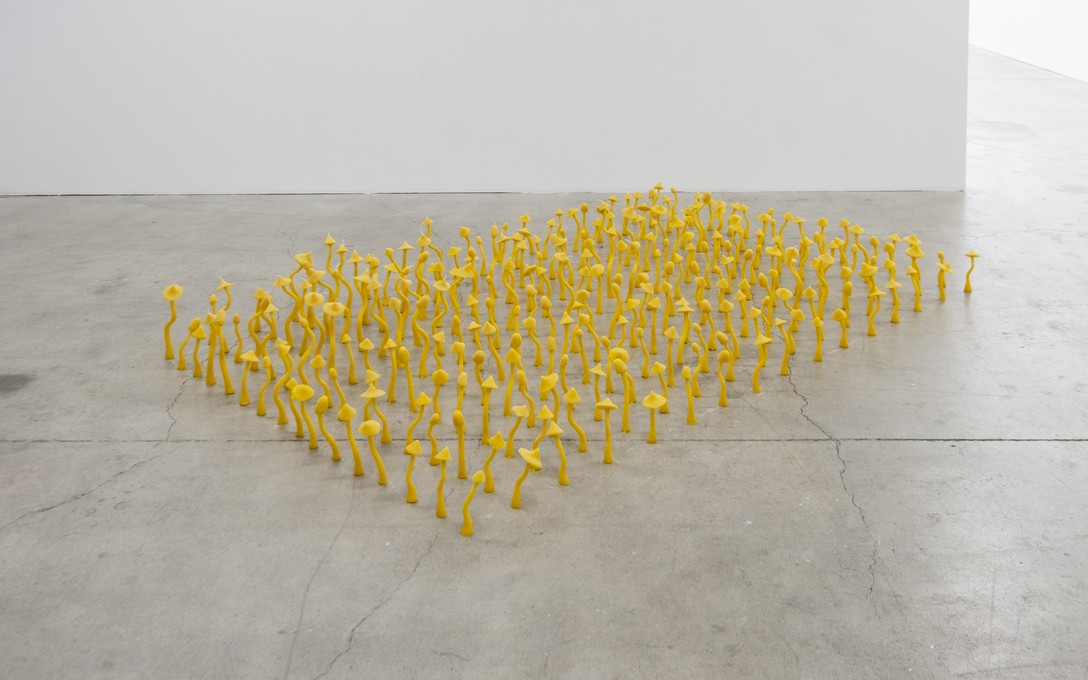
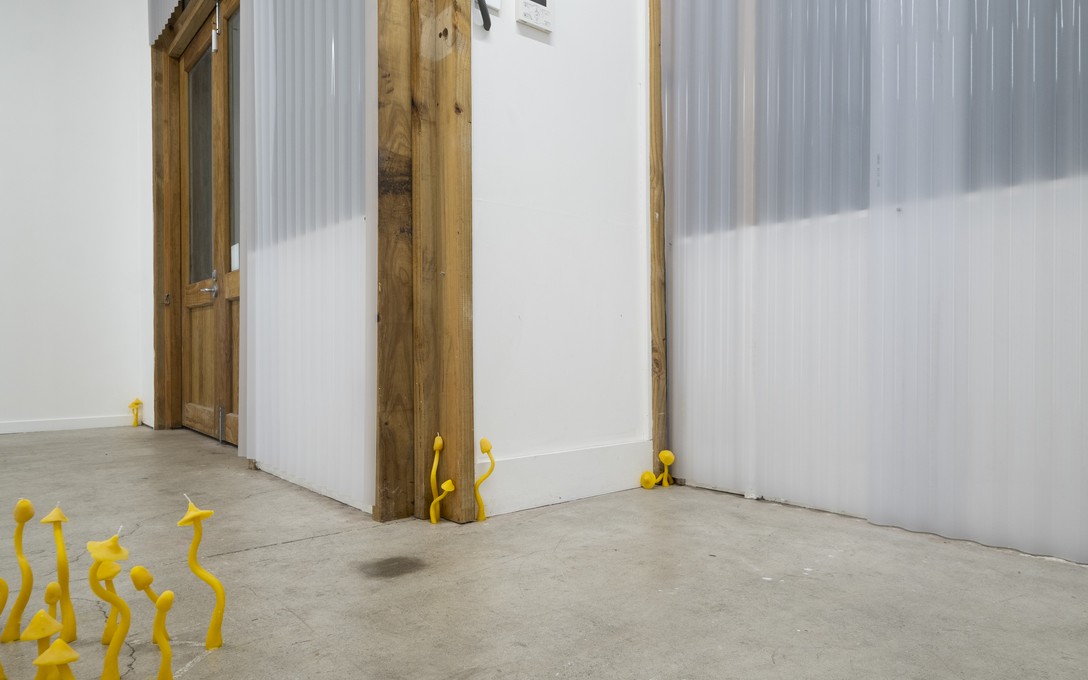
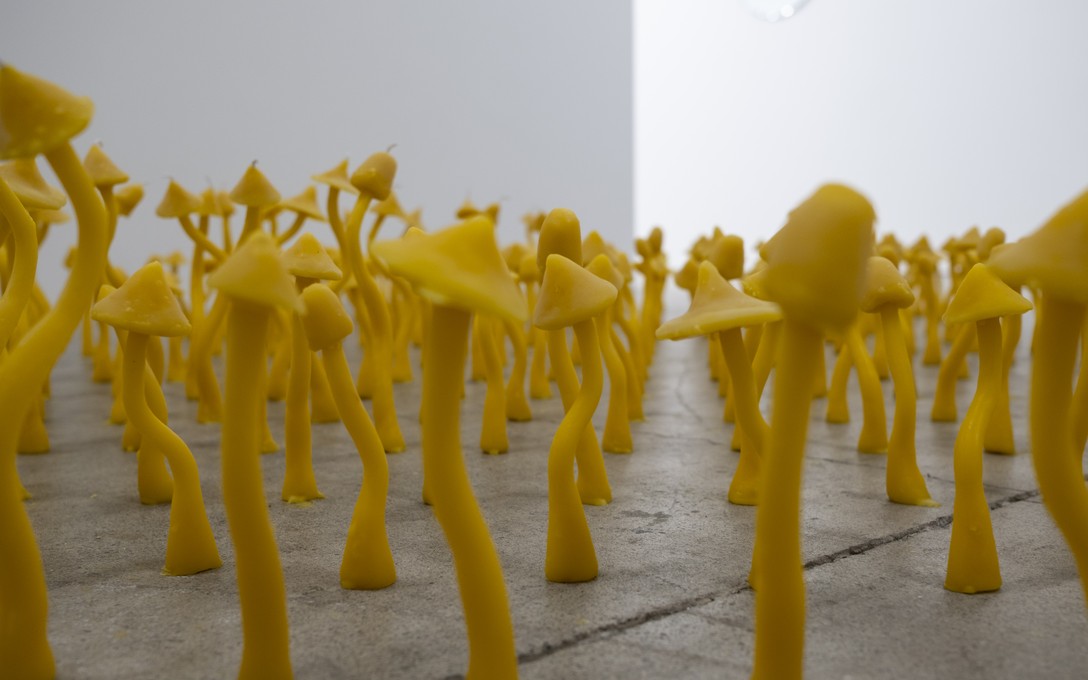
Underpinning the installation Out of the Scene, into the Fever (2025) are themes of nationhood, colonial control, identity, and decay. In this work, Turner warps the New Zealand flag almost beyond recognition. Using beeswax, the artist moulded 256 mushroom-shaped sculptures, which have been pressed into the gallery’s floor in the shape of the New Zealand flag. It is significant that this flag is installed on the floor. Earlier this year, Diane Prince’s Flagging the Future (1995) was shown in Activist Artist, curated by Gina Matchitt. The artwork, a New Zealand flag stencilled with the words “Please Walk On Me”, was well-received in the exhibition’s first iteration at Pātaka Art + Museum (2 November 2024 — 9 March 2025), but the subject of complaints and protest that ultimately led to its removal when the work travelled to Nelson’s Suter Art Gallery (10 May — 5 October 2025).
In Out of the Scene, into the Fever Turner has removed the most obvious attributes of our nation’s flag—it is not made of fabric and does not feature blue, red, or white. Replaced with bright yellow beeswax, this flag is fragrant. Each individual piece is waxy and smooth. There are a few variations in size, so that the Union Jack and Southern Cross stand slightly taller and larger than the rest, though they remain difficult to discern. These are also the components of the work with a wick, turning them into candles. Looking down at this orderly formation of fungi—so unlike that of their wild counterparts—we are prompted to question if this emblem represents who New Zealanders are today. Unlike Prince, who invites, or even goads manuhiri to engage with Flagging the Future by literally asking us to walk on the artwork, Turner’s work is subtly sardonic—after all, if flags are made to be flown, candles are made to burn. Much like the current cultural/political/societal/ecological climate, it just takes one match to spark the flame. While Geoff Parks argues, in his essay of the same name, that we are ‘Out of the Scene, out of the Fever’, Turner posits that we are very much still in the thick of it.
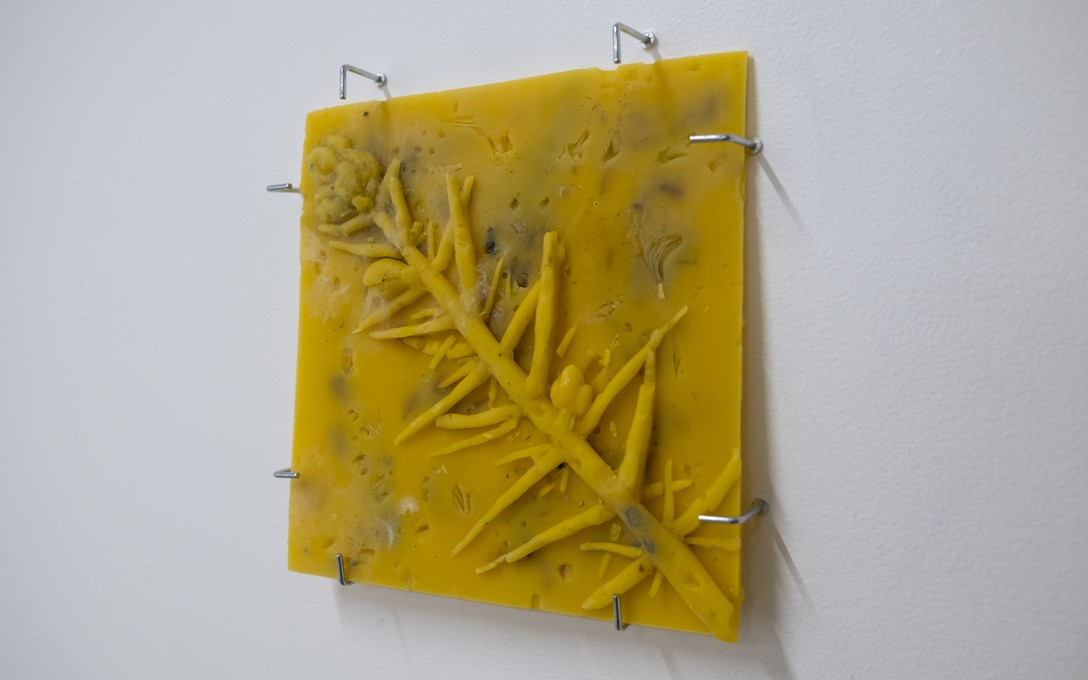
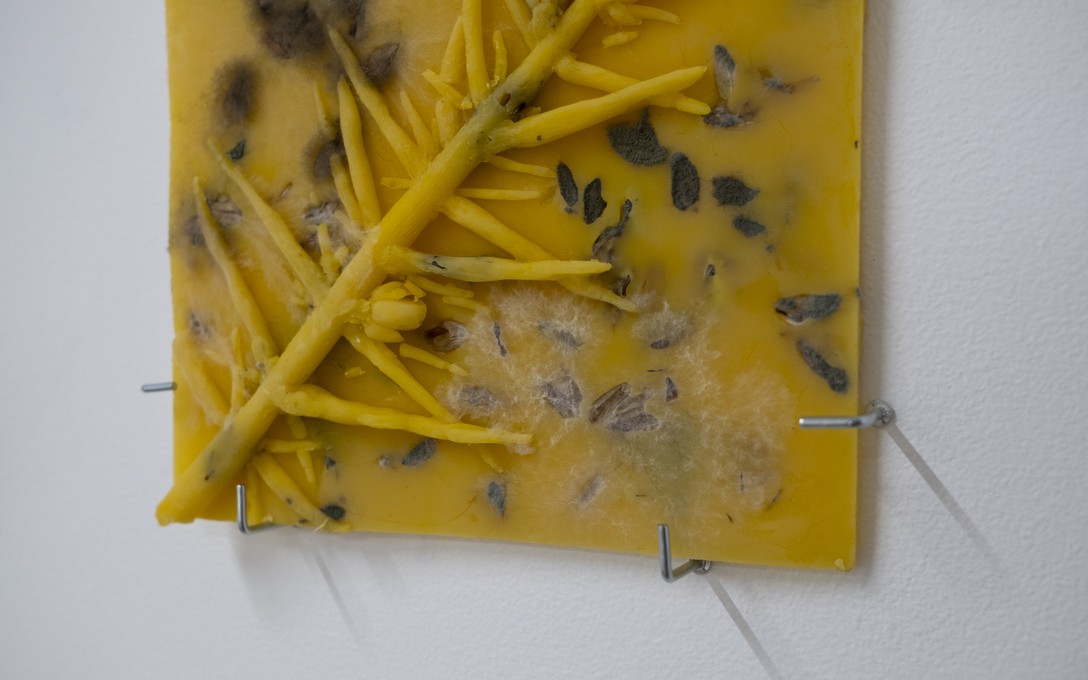
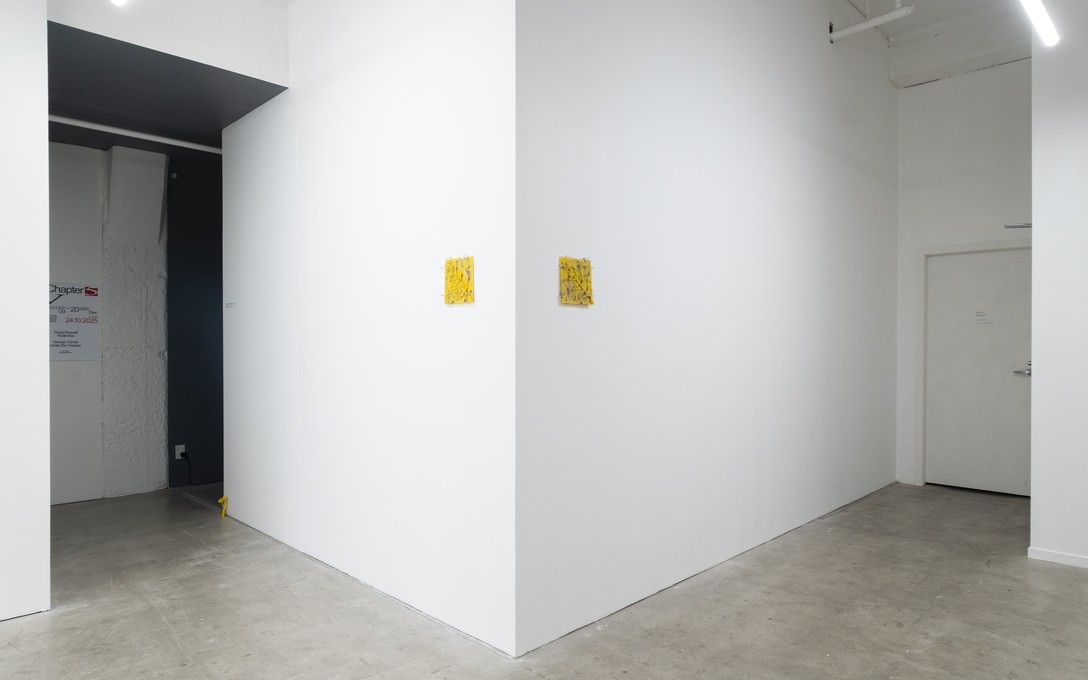
While the fungi on the floor are made entirely from beeswax, Turner’s Gorse Soap (2025) is growing real mould. Gorse, our most recognisable weed, has become emblematic of colonisation since it was introduced by early European settlers. This gorse, sourced from Newtown and Pencarrow, has been enveloped in beeswax. Having sat in our storeroom for the past few weeks, mould has begun to form on all four Gorse Soap works—the decay that Turner’s works speak of arriving in the exhibition quite serendipitously.
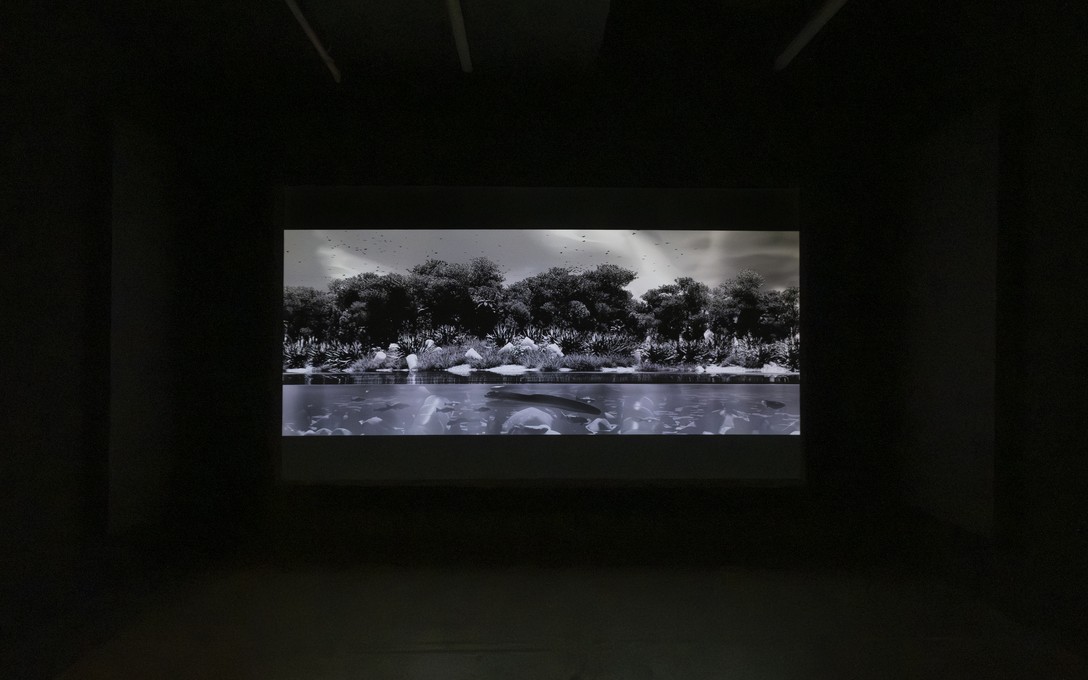
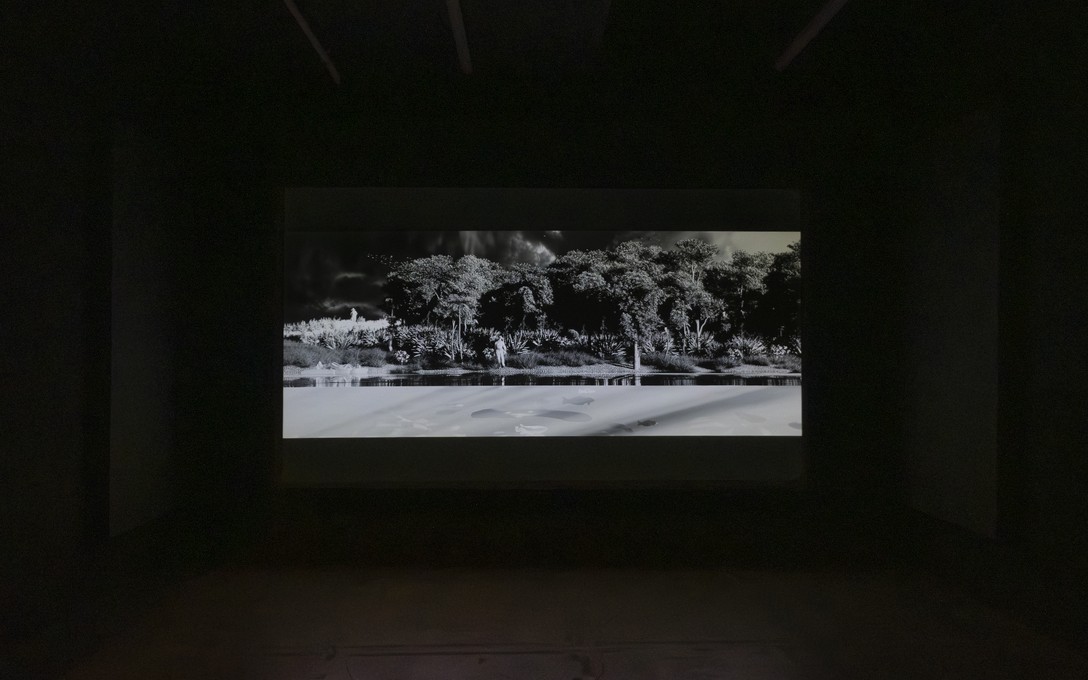
Creeping into the screening room, more of Turner’s mushrooms guide us to their new moving image work Refugia.exe (2025). Here, a looped, digital ecology has been rendered in 3D using data points gathered from location-based photographs, photogrammetry, motion capture, and mapping tools. Centred on an Aotearoa wetland, its own living refugia (an isolated habitat in which organisms can survive environmental instabilities over long periods of time), the work unfolds like a speculative petri dish. Its narrative is constantly morphing, shifting depending on where one looks, when one enters, and what one brings with them. Formed from ancestral memory, in this work we are taken on a journey around the wetland from dawn to dusk, guided by ika in the awa and manu in the air. Birdsong, composed from natural field recordings, echoes while the sound of running water and cicadas add depth to the soundtrack.
A series of waxy figures—post-human characters performed through motion-capture—animate rituals of collapse, labour, and regeneration; variously they “destroy, defend and rebuild.”[1] These characters plant trees, move wheelbarrows, sunbathe, talk to each other, stretch, and swim. As the film progresses, more and more oil barrels fill the landscape. The water quality visibly changes, the birds quieten, and the people still. A bright orange figure is seen collapsed atop stones, and a sense of despair fills the room. But then, dusk turns into dawn and a new day appears. The film repeats in black and white. In Refugia.exe and across the exhibition, Turner reminds us that the land we live on tells its own story, if only we are willing to listen.
1. Correspondence with the artist, 30 July 2025.
Curated by Brooke Pou
Past Event
CHAPTER 5 LAUNCH: Tessa Russell and George Turner
Join us from 5:30pm on Rāmere Friday 24 Whiringa-ā-nuku October to celebrate the launch of our fifth exhibition chapter, Waitirohia by Tessa Russell and Under the Pasture by George Turner.
More info
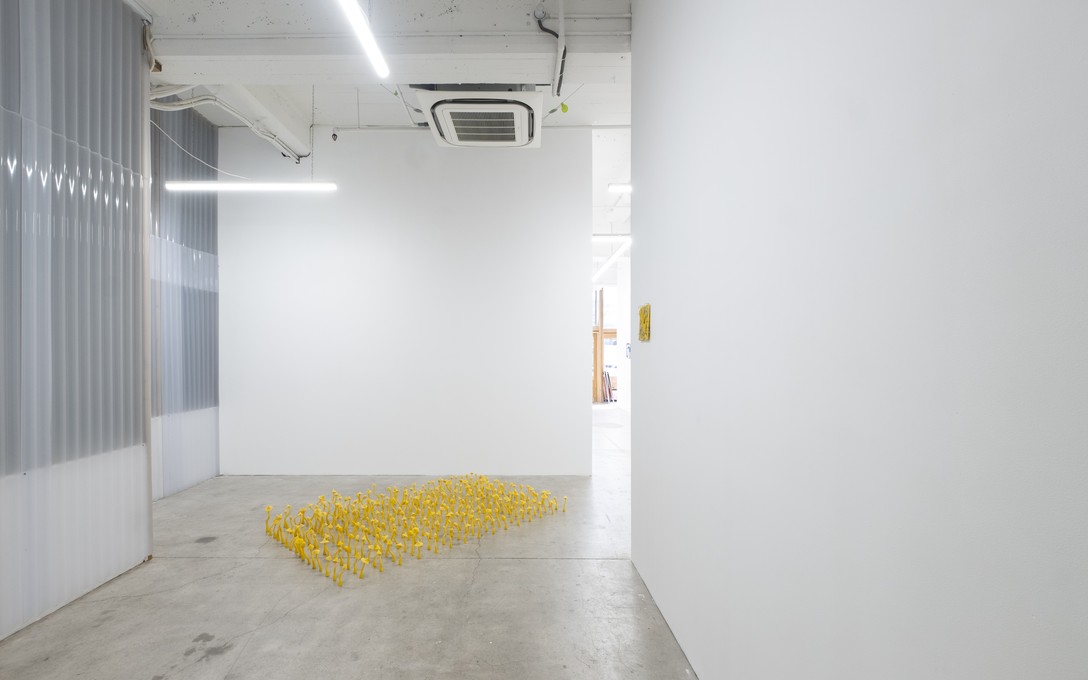
George Turner, Under the Pasture, 2025. Installation view. Photo by Samson Dell.
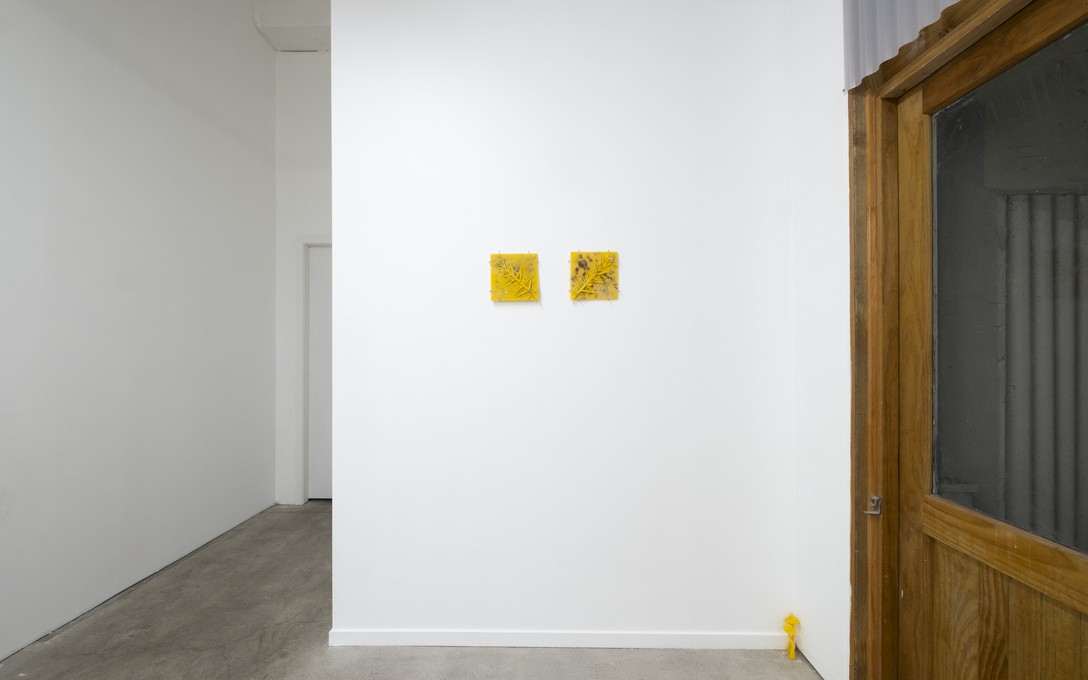
George Turner, Under the Pasture, 2025. Installation view. Photo by Samson Dell.
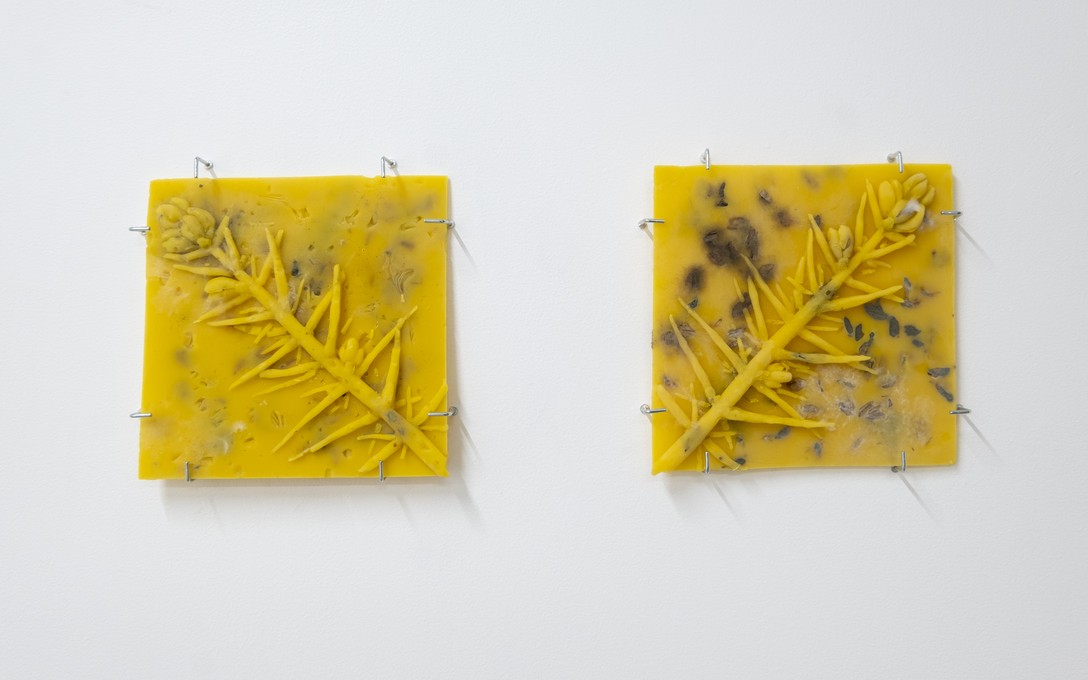
George Turner, Gorse Soap, 2025. Installation view. Photo by Samson Dell.
George Turner, Gorse Soap, 2025. Installation view. Photo by Samson Dell.
George Turner, Gorse Soap, 2025. Detail view. Photo by Samson Dell.
George Turner, Under the Pasture, 2025. Installation view. Photo by Samson Dell.
George Turner, Out of the Scene, into the Fever, 2025. Installation view. Photo by Samson Dell.
George Turner, Under the Pasture, 2025. Installation view. Photo by Samson Dell.
George Turner, Out of the Scene, into the Fever, 2025. Detail view. Photo by Samson Dell.
George Turner, Refugia.exe, 2025. Installation view. Photo by Samson Dell.
George Turner, Refugia.exe, 2025. Installation view. Photo by Samson Dell.
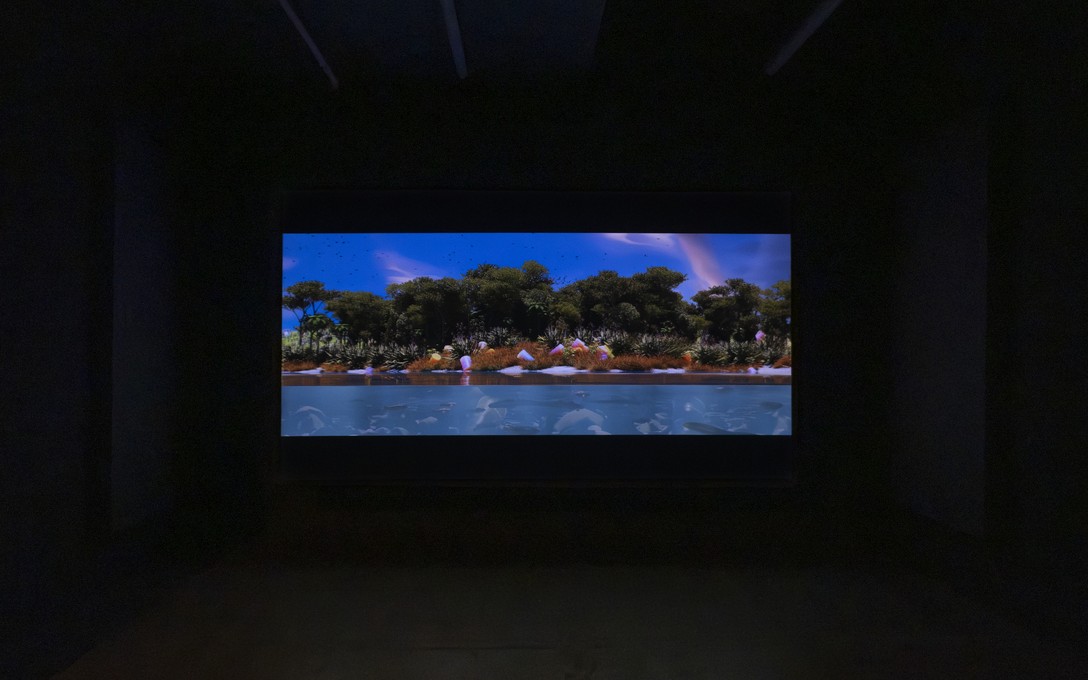
George Turner, Refugia.exe, 2025. Installation view. Photo by Samson Dell.
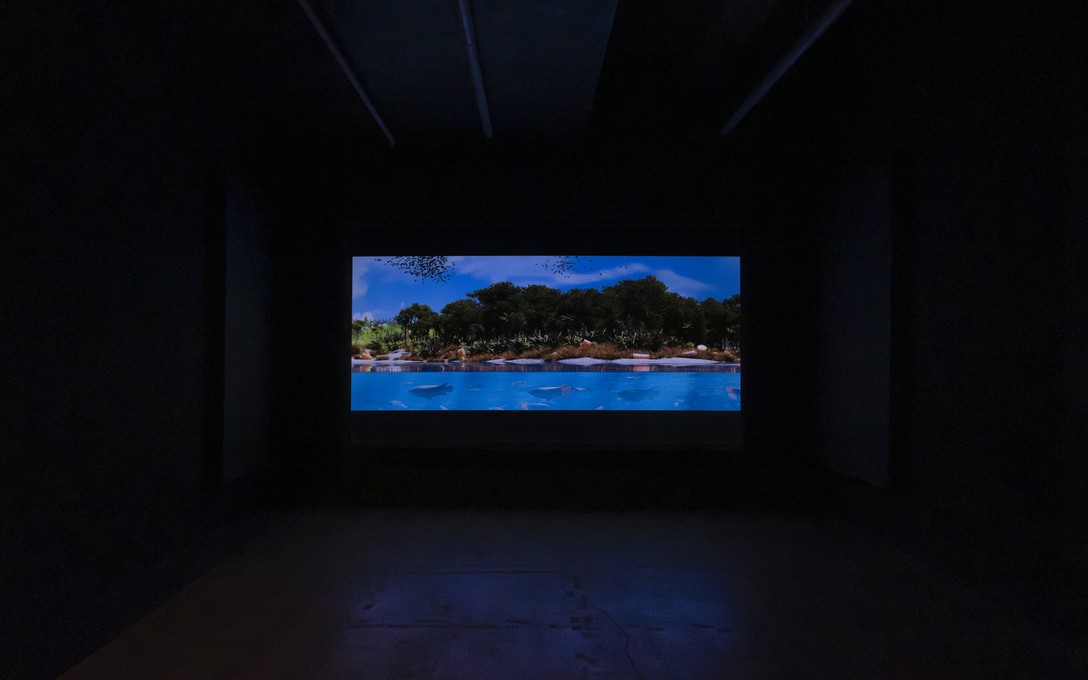
George Turner, Refugia.exe, 2025. Installation view. Photo by Samson Dell.
George Turner (Pākehā) builds speculative ecosystems where memory mutates, land remembers, and futures remain insistently open. Based in Te Whanganui-a-Tara, Aotearoa New Zealand, Turner is a transdisciplinary artist crafting across mediums to explore the fragile entanglements of ecology, technology, and identity.Rooted in Pākehā identity and guided by posthuman philosophy, Turner’s practice enacts land as archive, wound, and collaborator. Using tools like photogrammetry, motion capture, and real-time simulation, their works render haunted environments — spaces where colonial trauma, ecological collapse, negligence and resistance coexist.
Turner's work has been shown across Aotearoa New Zealand in both solo and group exhibitions. In 2022, they were a recipient of the inaugural Trans-Tasman Digital Artist Fellowship, a joint initiative run by Creative New Zealand and the Australia Council for the Arts. Across all projects, Turner’s work conjures worlds in flux, where art is not an escape from collapse, but a blueprint for how we might begin again.